We interview Eu Yan Sang’s TCM physician Neo Min Jun to learn more about the Chinese massage practice and children.
Your child doesn’t eat much just pushes food around with no appetite. Perhaps they have chronic constipation or constantly complain about tummy problems and diarrhoea.
Or they don’t sleep well — and you’ve already checked that they’re not wasting their sleep time on games and stuff. What do you do especially if the doctor says there’s nothing really wrong with junior?
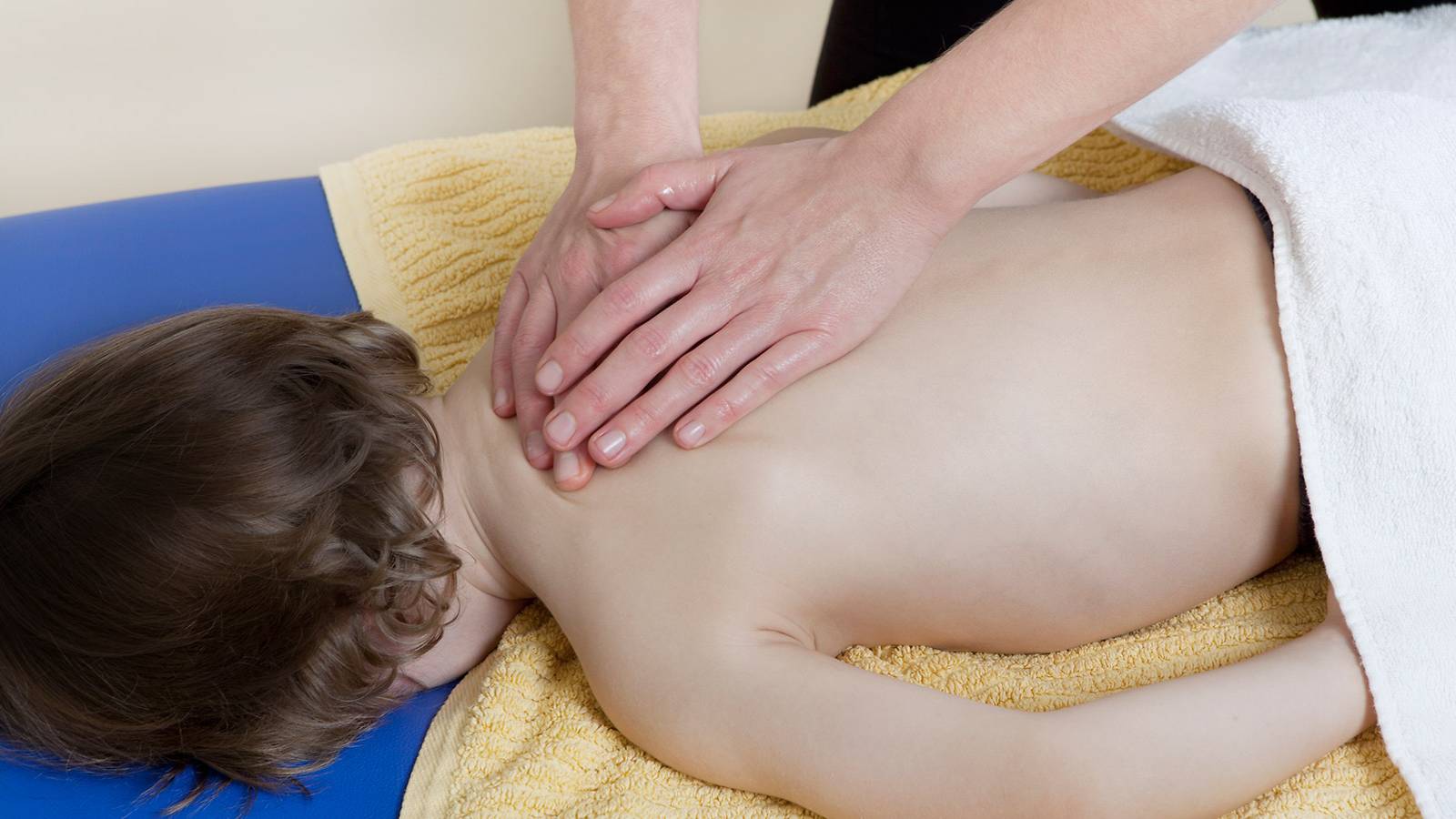
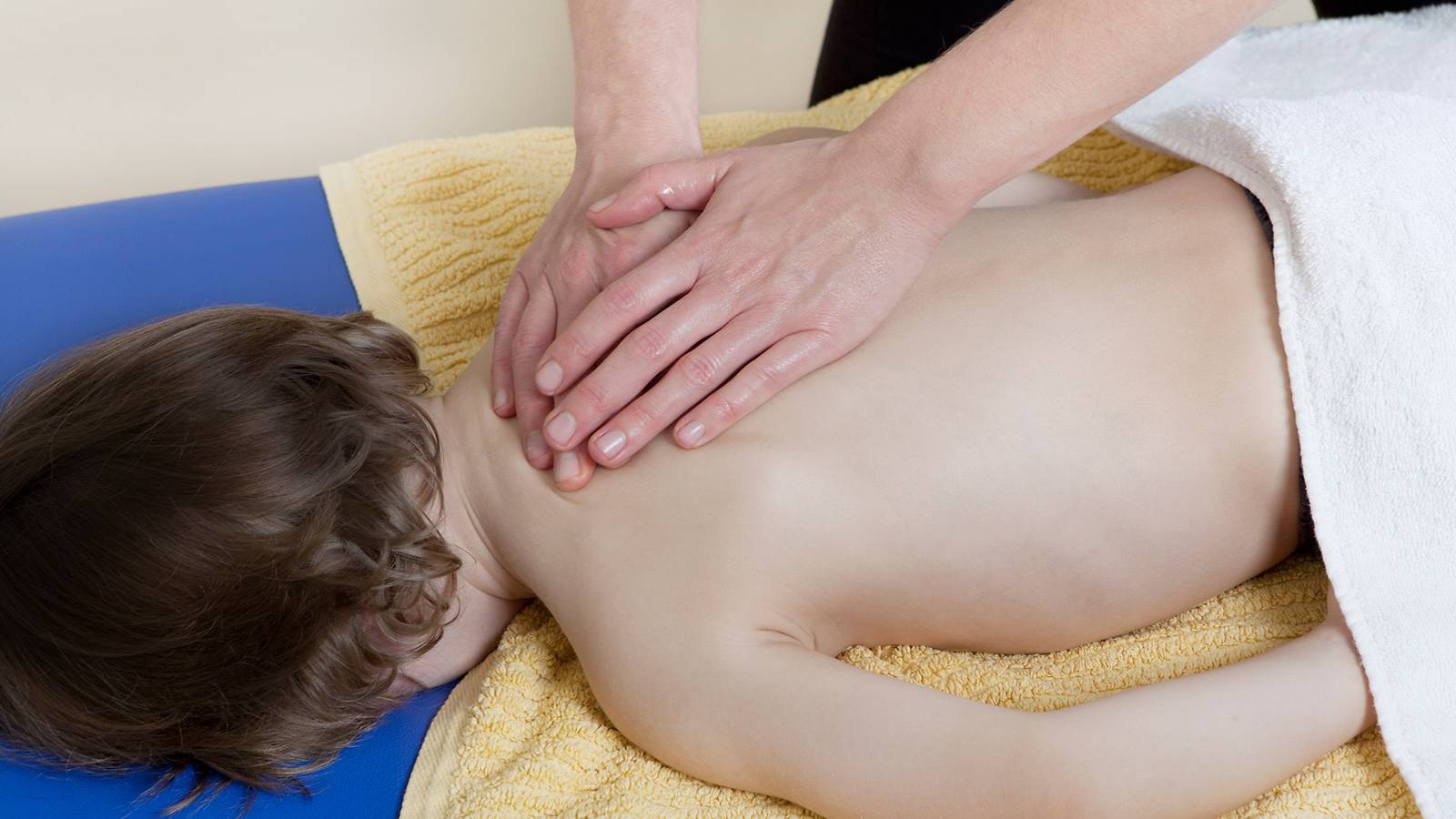
One solution that some parents are turning to is paediatric tuina. Says Eu Yan Sang’s TCM physician Neo Min Jun, “Common ailments treated in at our Simei clinic include chronic cough, nose allergies, frequent flu occurrence, poor appetite, indigestion and restless sleep.”
“We would not advise parents to bring children under the age of 6 months for paediatric tuina.”
She explained that the best results from the paediatric version of tuina massage, is on patients below 6 years but older than 1 year. “We would not advise parents to bring children under the age of 6 months for it.”
Among the conditions that they are asked to treat are gastrointestinal problems — including poor appetite, indigestion, constipation and chronic diarrhoea; nose allergies, chronic cough, recovery-phase asthma and mild flu. Then there’s tooth-grinding, restless sleep and bed-wetting.
She cautions parents that tuina is not for everything. “Conditions [for which] one should go straight to A&E include acute high fever, acute pain in the abdomen, acute serious diarrhoea, a fall with sharp pain at injured areas and breathlessness accompanied by a wheezing cough.”
What will the physician do in a consultation with your child? Read on...
If you choose to bring your child to a TCM physician for the massage, it’s best to choose those specifically trained in paediatric tuina, she says. Older children will undergo a consultation similar to adults (with their parent/guardian present of course), while those under 3 may need a lot more patience and coaxing.
“Physicians mainly have to coax the child to show us their hands and tongue. We will use stickers or small gifts in the clinics to coax and reward them. Children here are usually very cooperative as they are used to the routine school checking of their mouths and hands for HFMD.
They — or their accompanying adult — will be asked about the child’s complaints and medical history, and the physician will check their tongue and take their pulse from their fingers. For the actual massage, the child needs to feel comfortable letting the physician touch their head, hands, stomach and back. Neo says, “I would strongly recommend parents tell their child that ‘[Physician] is going to touch these few areas’ in the clinic.” Or you could rub their head, fingers, stomach and back at home and tell them that a physician will later do similarly.
“Usually we recommend at least five sessions, once or twice per week, on symptoms and conditions presented,” says Neo.
A session can last 15-30 minutes depending on the age, diseases, symptoms and cooperativity of the child. In Eu Yan Sang’s TCM Clinics, each paediatric tuina session cost $45 and first-time consultation with physicians will range from $16-$24 ($20-32 if you ask for senior physicians). Subsequent consultations will cost from $12-$18 for physicians and $14-$22 for senior physicians.
Physician Neo Min Jun practices at Eu Yan Sang TCM Clinic@Simei, #03-15
Eastpoint Mall, 6785-9159.
Photo: iStock
Unending cough: Does my toddler have asthma?